- KolaxopackagingUSA
- January 17, 2026
Why Ocean-Positive Packaging Matters More Than Ever in 2026?
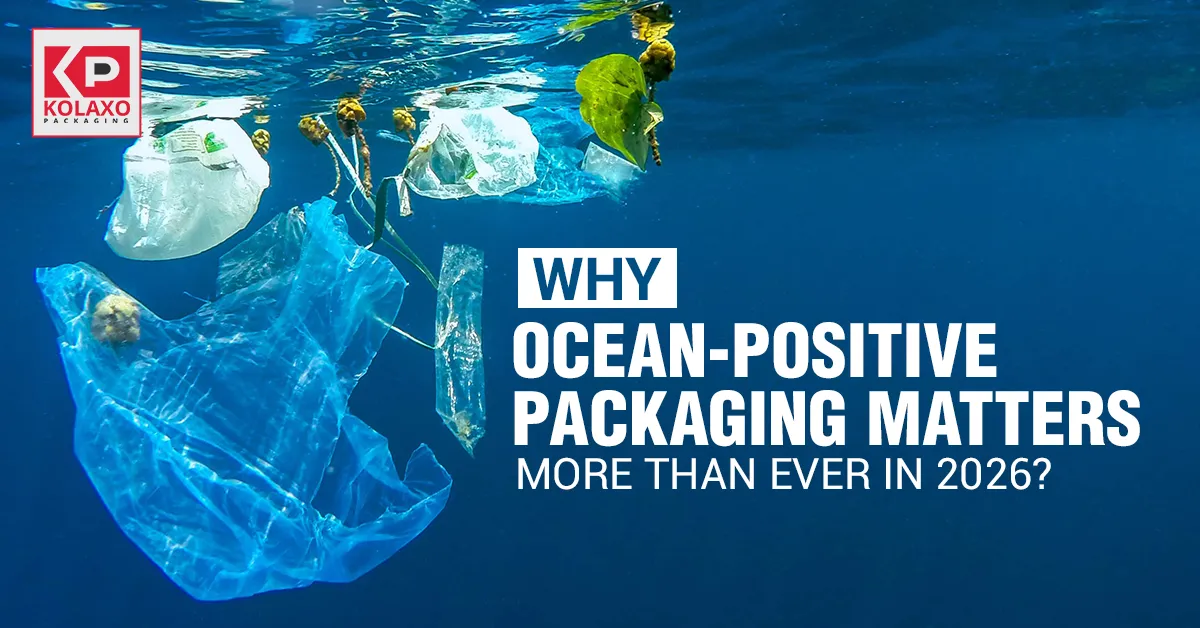
Ocean health is in sharp focus in 2026. Companies are now being compelled to meet higher standards from consumers, regulators, and partners. Worldwide reports show that the marine litter counts in millions, which damage the habitat and supply chain. The problem seems immediate and plain to see, not far-off.
Sustainability was a bolt-on for brands in the past. Now it impacts buying decisions, reputation, and the ability to withstand future shocks. Risk from the ocean is now on the minds of investors, too. This discussion about packaging is so fundamental because packaging is linked to every product journey.
Ocean-positive packaging cements a new way of thinking. Packaging is designed not only to do no harm, but to contribute positive outcomes to the marine environment. Recovery, regeneration, and responsible sourcing are intertwined. This shift is creating a pathway for the responsible selection of materials and systems for disposal, too.
Ocean-Positive Packaging and the Business of Getting It Right
This concept ties design and water stewardship together. Brands are reinventing materials, supply chains, and end-of-life options. It moves the talk out of claims and into outcomes that consumers can grasp. Many thought-out programs help with removal and circular opportunities that keep waste from the ocean.
Several brands reinvent everyday formats, such as the distinctive Mailer Boxes for shipping and return. The goal is to minimize the pollution in the water systems and improve ways to recover after use.
Designers consider abrasiveness, the ability to recycle, and being broken down in an eco-friendly way in the ocean. Structural simplicity often implies less risk and simplified disposal instructions.
Getting a better sense of where things come from is becoming more important to shoppers. They want to know where materials originate, and where they’ll soon be going. Proper handling is facilitated by clear labelling, which also contributes to a reduction in confusion among consumers.
Ocean programs lend credibility when they connect packaging decisions to recognized recovery initiatives. To enable this in practice, companies adopt multiple strategies:
- Materials extracted with verified recovery from coastlines and river bodies
- Marine-degradable films examined for safe disintegration
- Partnerships that support habitat restoration and community cleanups
- A tracking system that records the results of collection and reuse
- All of those actions are effective in a system, not as discrete acts.
Market Trust and Ocean-Positive Packaging
Trust is strengthened when claims and actions align. This title includes our focus word the second time. Simple, straightforward, and honest communication backed up by evidence is what buyers want. The retailers are also welcoming packaging compliant with regulations without any extra load on them.
Business groups have analyzed the entire lifecycle and reengineered formats like the Product boxes to use less ink and simpler materials. This provides greater transparency in recycling streams.
- When packaging is simple to clean, waste managers say they have less contamination. Brands can also enjoy a cleaner public relations image because their products lead to less material in the waterways.
- Innovation keeps coming, figures for new developments would appear to be useless! New resins that are safe for the marine environment, and new blends of fiber are entering the market.
- Seaweed-based alternatives are in the spotlight as farming contributes to the removal of nutrients and carbon from the environment. They also open the door to new design options, such as clean branding and clear printing, using the clarity of the materials.
- Another trending topic is emerging carbon-for-recovery credits. Each sale is tied to a real clean-up activity with programs. It makes packaging a visible donation point. This creates a sense of customer involvement in solving the problem, and the loyalty that results is tied to transparency.
Trends Shaping Packaging in 2026
Material change is sped up by short cycles of development. Teams are able to iterate on ideas rapidly and then scale what works. Now there’s procurement, logistics, and marketing talking to each other. None of them operates in a vacuum.
Increasing regulatory scrutiny fosters early engagement. Compliant packaging enables you to avoid fines and shipment delays. Brands are also revising formats like Rigid boxes, where durability and recyclability meet. Reuse and secondary life cycles are facilitated by a clear separation of components.
Regionally digitized tracking tools to map recovery. QR codes take users to stories of cleanup or support for the reefs. This invites them to participate without complexity. It is, or at least was, simple and straight factual storytelling.
The rise of retail and e-commerce keeps packaging consumption high. Responsible solutions minimise the risk of leaking into our oceans. Firms refresh packing formats, such as the Mailer box, with lighter designs, yet sturdier. A combination of less material use and better end-of-life planning.
Emerging key trends include:
- Recovery-linked certification to fund a coastal cleanup
- Rise in seaweed- and marine-safe fibers for primary pack aging
- Expansion of refill models that reduce single-use components
- Verified ocean impact reporting from retailers
- Each trend indicates a future where doing replaces saying.
Responsible brands think differently about presentation. Increasing demand for sustainable boxes that do not compromise on the quality of care required from the product, rather than for excess decoration. Clean graphics and they’re recyclable. Printing options are moving toward using low-impact inks and controllable coatings.
Design teams want flexibility. What they're asking for is some custom-printed packaging that's attractive enough to advertise their brand, but also recyclable. Better substrates, smaller run lengths, and more sustainable options mean they're wasting less. It keeps them solid and strong while recognizing the health of the ocean.
Final Remarks!
As a result, now the state of the ocean impacts business accountability and consumer confidence. The shift is packaging-centered. That’s real progress on safer materials, cleanup help, and clear disposal pathways. In 2026, ocean-positive choices reflect the maturity and long-term mindset.
Choose Kolaxo Packaging USA for ocean-positive packaging or customize yours. Request a quote and contact us for more information!